Home Programmes Water, Sanitation & Hygiene
Safe Water & Public Health Emergency Response

Water is health. Hygiene is dignity.

Improving the health, dignity, protection and resilience of vulnerable populations through equitable access to safe water, adequate sanitation, good hygiene practices, and effective public health emergency response — delivered through sustainable, community-owned WASH systems.

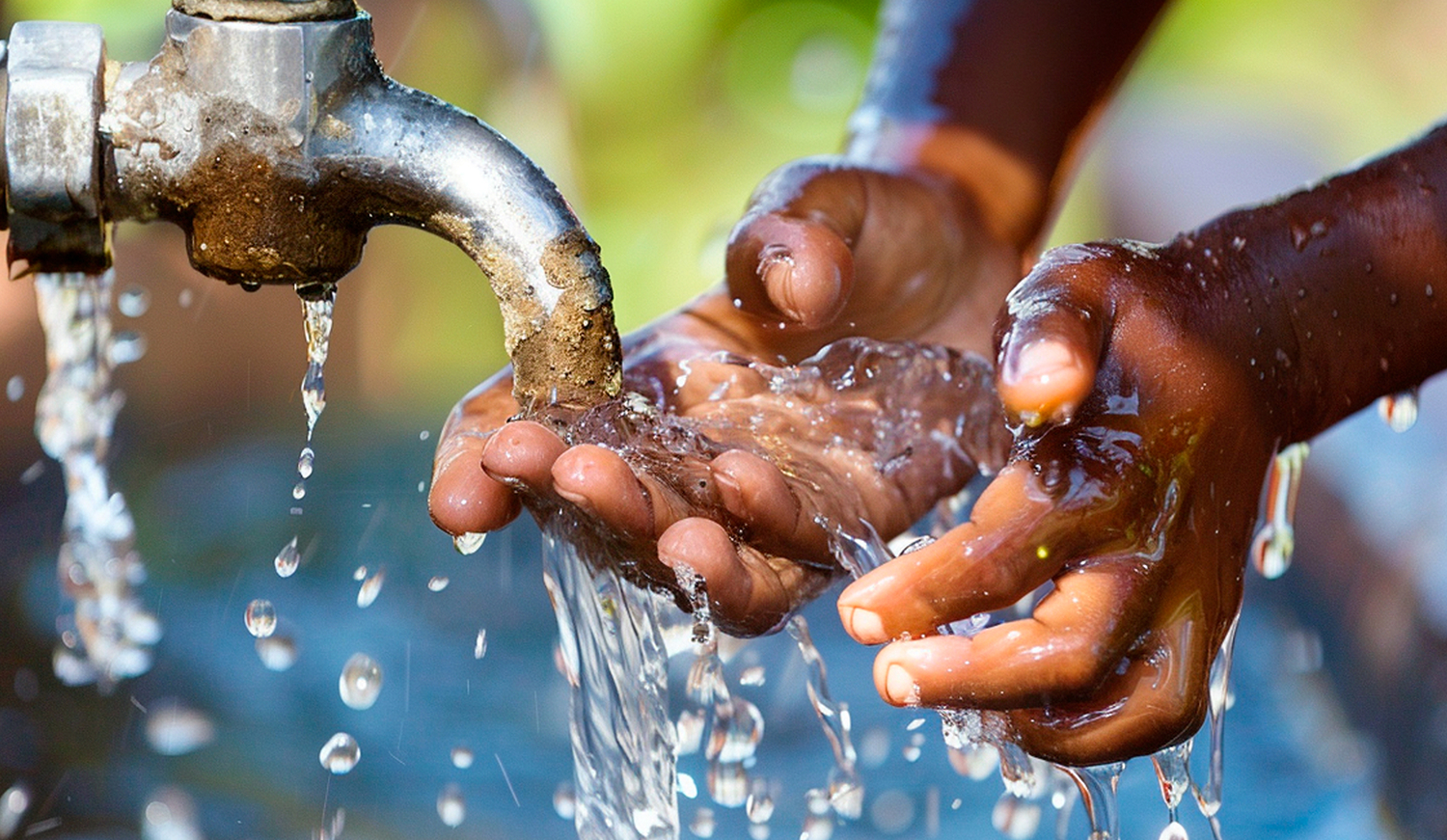
Community members engaging with a water and hygiene activityWASH / GIMPACS
8Strategic objectives
4Programme areas
10Cross-cutting commitments: protection, PSEAH, safeguarding & accountability
Overview

Safer water. Stronger health. More dignity.

To improve the health, dignity, protection, and resilience of vulnerable populations by ensuring equitable access to safe water, adequate sanitation, good hygiene practices, and effective public health emergency response through sustainable and community-owned WASH systems.

Access to safe water, adequate sanitation, and good hygiene practices is fundamental to human health, dignity, and sustainable development. WASH services are essential for preventing communicable diseases, reducing malnutrition, protecting vulnerable populations, improving school attendance, and strengthening community resilience during humanitarian emergencies and development interventions. GIMPACS adopts an integrated, community-led, climate-resilient, and systems-strengthening approach, combining infrastructure development with behaviour change, institutional capacity building, accountability, and public health interventions.

Aligned with SDG 6, Sphere Humanitarian Standards, WHO Guidelines for Drinking Water Quality, UNICEF WASH Strategy, National Rural Water Supply and Sanitation Policies, and the Global WASH Cluster Standards.
Our strategic objectives

Build the conditions for healthy routines.

Each objective turns the WASH commitment into practical work that communities can use, maintain, and strengthen.

01Improve access to safe and sustainable drinking water.
02Increase access to safe, inclusive, and climate-resilient sanitation facilities.
03Promote positive hygiene behaviours that reduce disease transmission.
04Strengthen community ownership and management of WASH facilities.
05Improve preparedness and response to waterborne disease outbreaks.
06Strengthen WASH governance and institutional capacity.
07Integrate protection, safeguarding, inclusion, and accountability across all WASH interventions.
08Promote environmentally sustainable and climate-smart WASH services.
Priority groups

We prioritise the greatest barriers, not just demographics.

Rather than targeting beneficiaries solely by category, GIMPACS focuses on the specific access barriers different groups actually face.

Children under five

Reduce diarrhoeal diseases through safe water, sanitation, hygiene promotion, and caregiver education.

Pregnant and lactating women

Ensure access to safe water, dignified sanitation, menstrual hygiene support, and infection prevention.

School-age children

Promote hygiene education, handwashing facilities, and WASH in Schools (WinS).

Persons with disabilities

Design disability-inclusive WASH infrastructure with universal accessibility standards.

Older persons

Improve access to age-friendly water points and sanitation facilities.

Internally Displaced Persons (IDPs)

Deliver emergency WASH services through rapid response mechanisms.

Host communities

Strengthen shared community WASH infrastructure to reduce pressure on existing services.

Conflict-affected & climate-vulnerable communities

Provide resilient WASH systems capable of functioning during emergencies.

Our programme areas

Four areas that connect infrastructure, behaviour, public health, and local ownership.

Open a card to see the full approach.

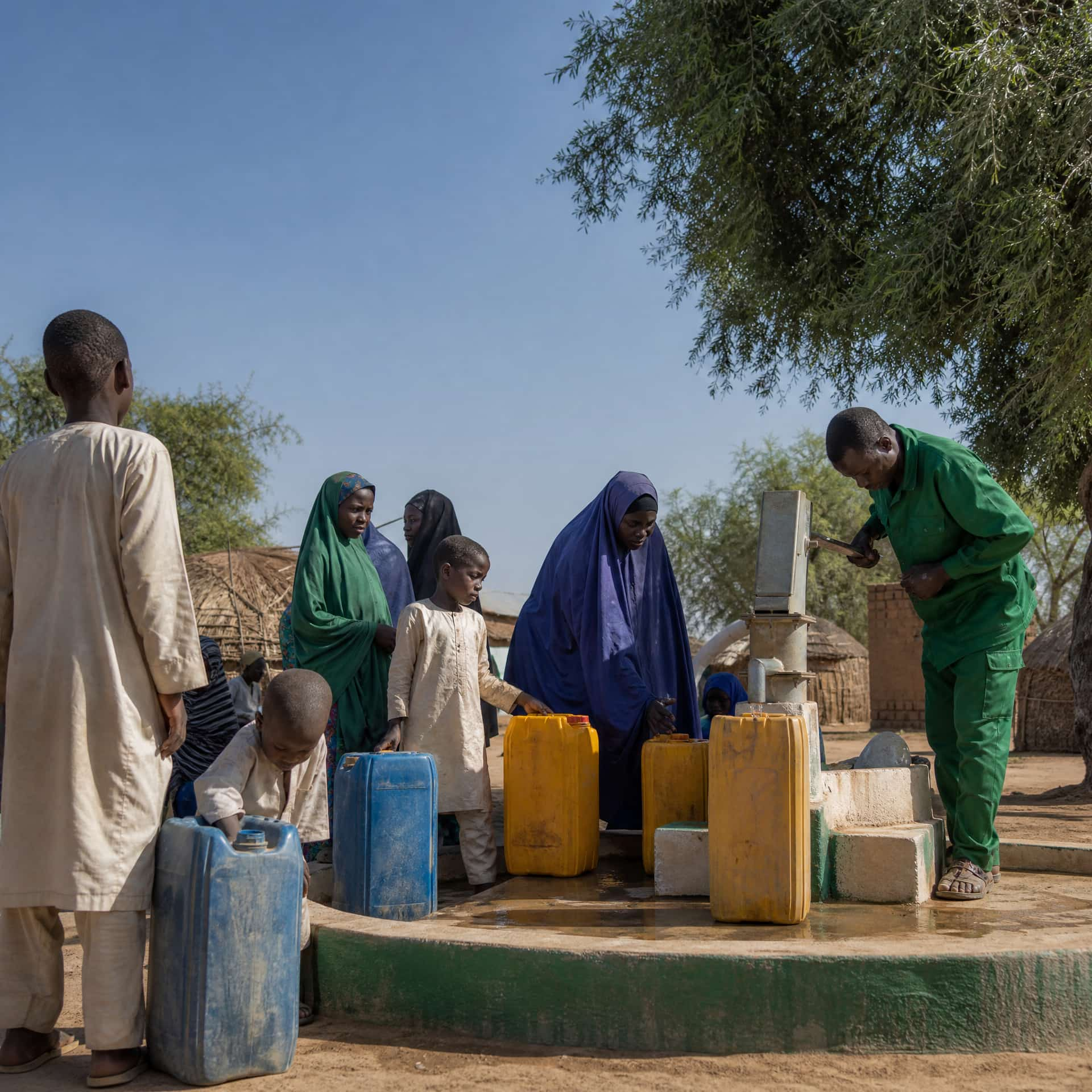
Community members collecting water at a rehabilitated borehole
01 / SAFE WATER SUPPLY

Safe Water Supply

Sustainable access to safe, sufficient and affordable water through climate-resilient infrastructure and community ownership.
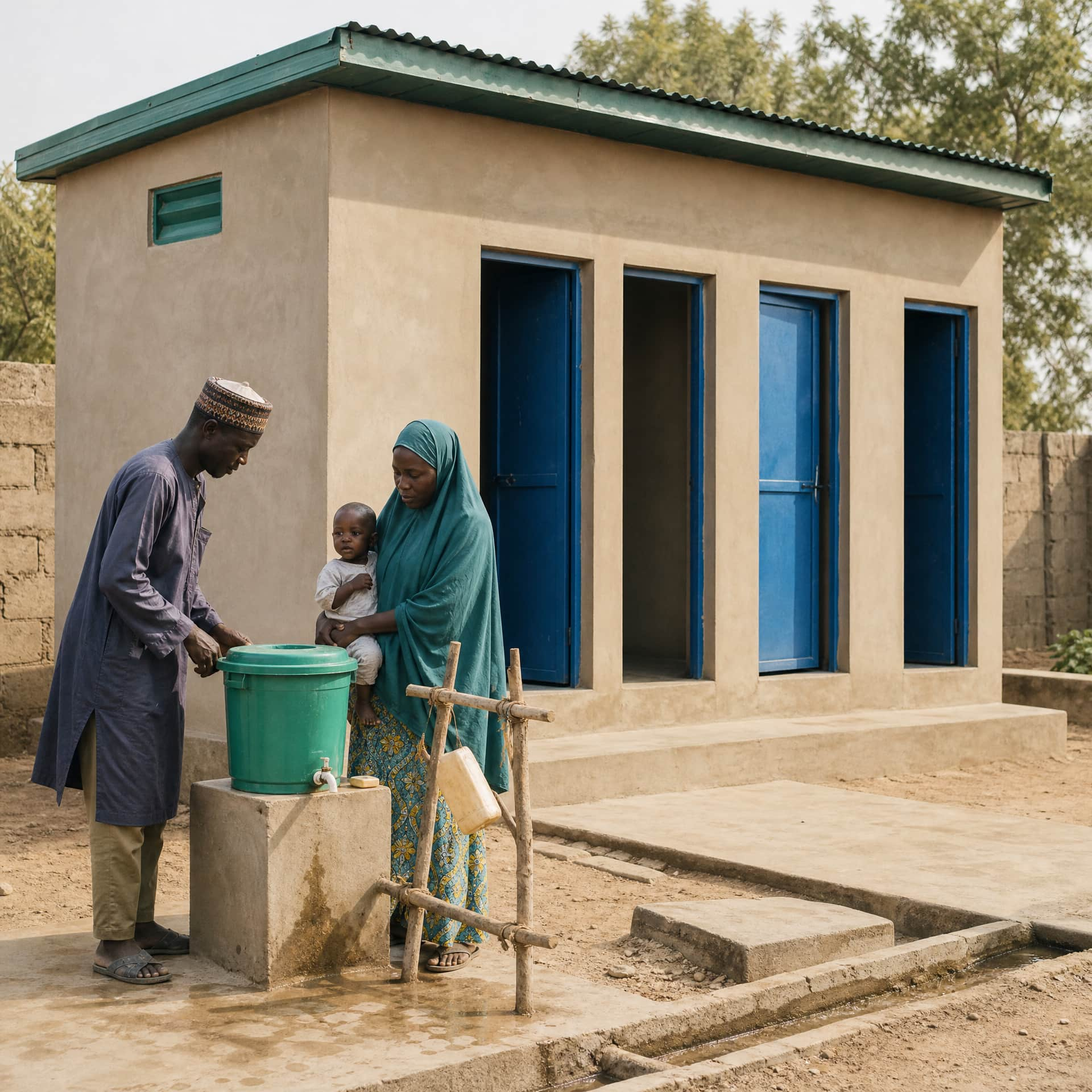
Community members beside a clean sanitation facility and handwashing station
02 / SANITATION SERVICES

Sanitation Services

Safe, dignified, inclusive and environmentally sustainable sanitation that eliminates open defecation.
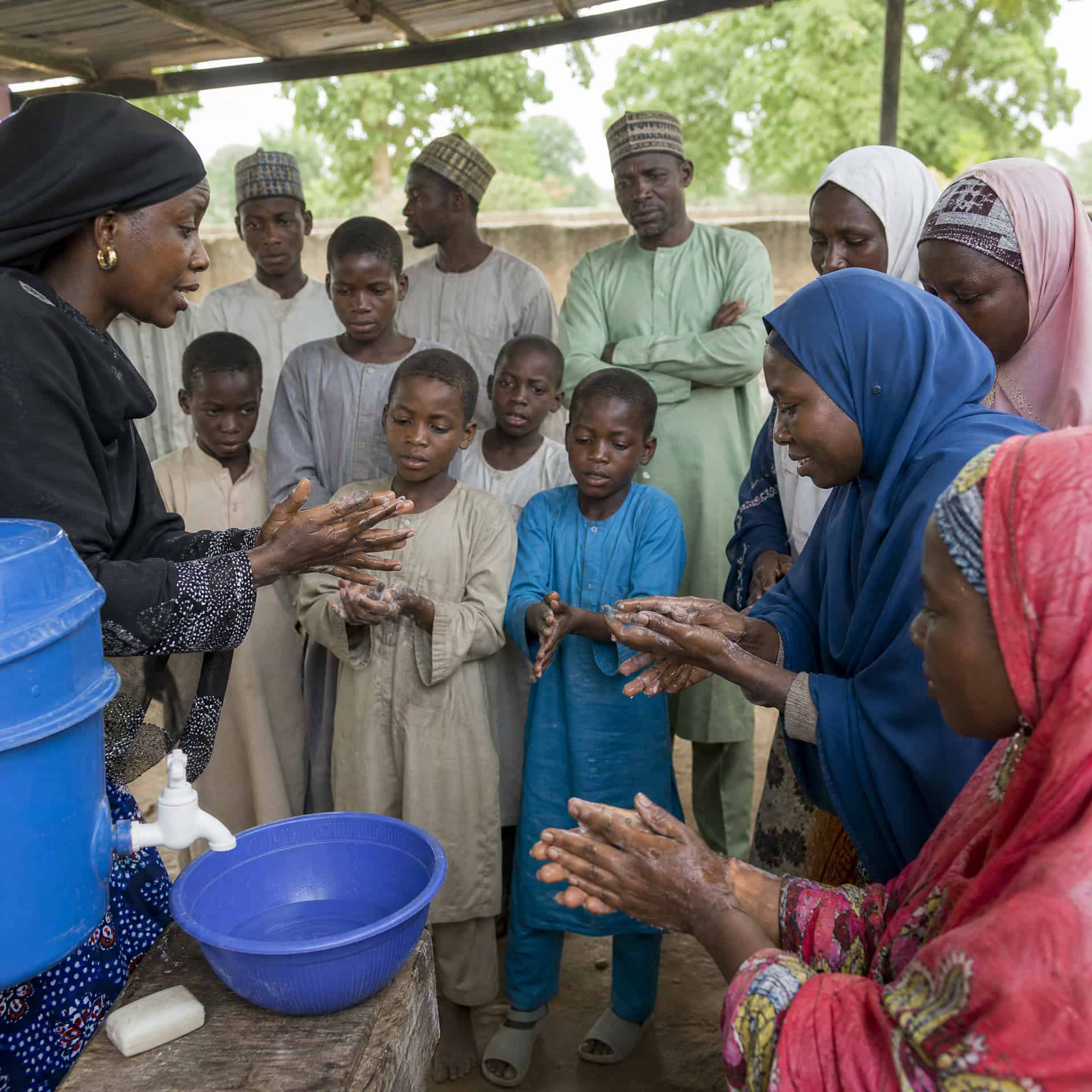
Community hygiene promotion session with a health educator
03 / HYGIENE PROMOTION

Hygiene Promotion

Evidence-based behaviour change that reduces disease transmission and improves household hygiene.
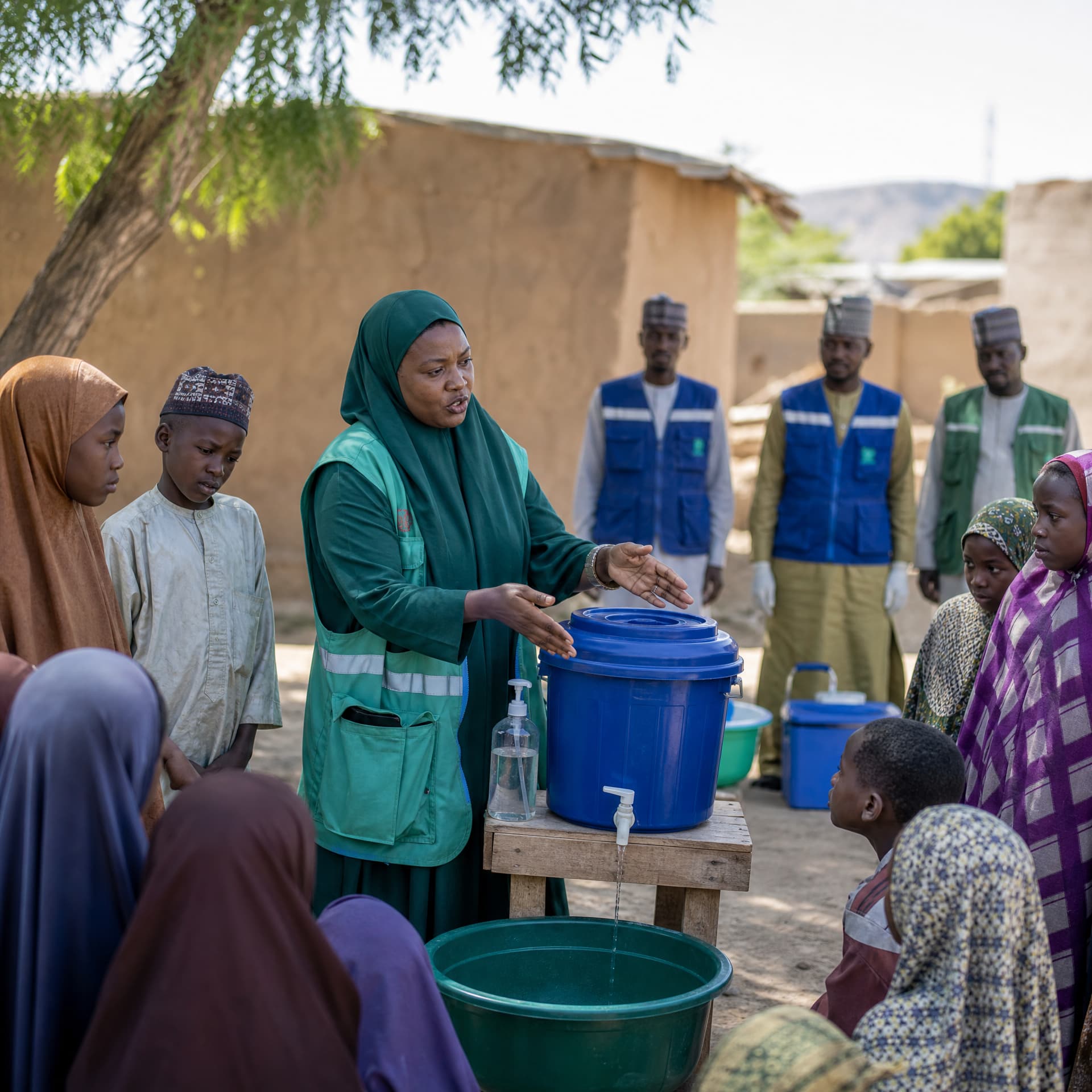
Community health worker demonstrating outbreak prevention practices
04 / OUTBREAK RESPONSE

Outbreak Preparedness & Response

Integrated emergency WASH action to reduce illness and death from cholera and other waterborne diseases.

Cross-cutting commitments

Safeguarding and accountability in everything we do.

Ten commitments embedded across every WASH intervention, aligned with UNICEF, USAID, ECHO, FCDO and Global WASH Cluster standards.

01Community-Led Programming — communities are involved throughout the project cycle, from needs assessment to exit planning.
02Social & Behaviour Change (SBC) — interventions are designed using evidence from Knowledge, Attitude and Practice (KAP) assessments.
03Climate-Resilient WASH — solar-powered systems, rainwater harvesting, and sustainable groundwater management.
04Health Systems Integration — WASH is integrated with nutrition, health, education, protection and livelihoods programming.
05Protection Mainstreaming — every intervention includes a protection risk assessment and disability-inclusive design.
06PSEAH — zero tolerance for sexual exploitation, abuse and harassment, with confidential complaint mechanisms.
07Safeguarding — informed consent, staff vetting, and annual training to protect children and vulnerable adults.
08Fraud Prevention & Anti-Corruption — procurement transparency, digital registration, and third-party monitoring.
09Accountability to Affected Populations — community feedback desks, scorecards, and complaints committees.
10Monitoring & Quality Assurance — water quality testing, Kobo-based digital monitoring, and post-distribution monitoring.
How communities lead

Plan for use, not just delivery.

Infrastructure is more valuable when the people who use it can influence, operate, and maintain it over time.

01

Assess

Participatory needs assessments and site selection carried out with the community.

02

Plan

Community planning, volunteer recruitment, and role definition before construction begins.

03

Deliver

Infrastructure built and services delivered with active community involvement.

04

Sustain

Community monitoring, management handover, and structured exit planning.

Key results

What success looks like.

Outcomes GIMPACS tracks across every WASH intervention.

Increased access to safe drinking water.
Reduced incidence of waterborne diseases.
Increased use of improved sanitation facilities.
Reduced open defecation.
Improved handwashing practices.
Strengthened community ownership of WASH infrastructure.
Faster response to cholera and other outbreaks.
Safe, inclusive facilities for women, girls, children, older persons and persons with disabilities.
Stronger accountability and protection systems.
Zero tolerance for PSEAH, safeguarding violations, and fraud.
Sustainable WASH services managed by empowered communities.
Success story

Restoring safe water, restoring dignity.

GIMPACS success story"Before the rehabilitation of our community borehole, families walked several kilometres each day to collect unsafe water from seasonal ponds. Children frequently suffered from diarrhoeal diseases, and women spent hours fetching water instead of engaging in productive activities. Following GIMPACS' intervention, the community now has access to safe drinking water, improved hygiene practices, and a trained Water User Committee responsible for managing the facility. Cases of waterborne illness have declined, school attendance has improved, and the community has taken ownership of maintaining the water system."
Downloads

Reports, guidance and evidence.

Everything below needs the real files uploaded to your Media Library and linked before publishing.

Programme Documents

  • WASH Programme Brochure
  • WASH Strategy
  • Annual Reports
  • Corporate Profile

Technical Resources

  • Technical Factsheets
  • Borehole Rehabilitation Manual
  • Community-Led Total Sanitation (CLTS) Guide
  • Hygiene Promotion Toolkit
  • Cholera Preparedness & Response SOP
  • Water Quality Monitoring Guidelines

Learning Resources

  • Case Studies
  • Success Stories
  • Lessons Learned
  • Research Reports
  • Policy Briefs

Media

  • WASH Infographics
  • Photo Gallery
  • Programme Videos
Work with GIMPACS

Help make healthy routines possible.

Connect with GIMPACS about WASH partnerships, community mobilisation, technical support, or programme learning.

Start a conversation