
Education
Restoring access to safe, inclusive learning for children affected by crisis through Education in Emergencies, school rehabilitation, and community-led learning support.
Safe, inclusive learning for children affected by crisis.
The GIMPACS Education Programme helps crisis-affected children access safe, quality learning environments. We deliver Education in Emergencies (EiE) response, rehabilitate damaged learning spaces, and support inclusive, community-led education for displaced and host-community children.
Our work connects temporary learning support, safer school facilities, teacher capacity building and community engagement so children can return to learning and remain supported.
Our strategic objectives
- 1Restore access to safe learning spaces for children affected by displacement and conflict.
- 2Strengthen Education in Emergencies response capacity within communities.
- 3Rehabilitate and equip damaged or under-resourced school facilities.
- 4Promote inclusive learning for children with disabilities and other vulnerabilities.
- 5Support teacher capacity building and community-based learning structures.
- 6Reduce dropout risk through psychosocial and learning support for at-risk children.
Five ways we help children keep learning.
Select an area to read how education support connects to safer schools and stronger communities.
Education in Emergencies (EiE) ResponseContinuity of learning when crisis disrupts school
Rapid learning support for children affected by displacement, conflict or disaster, including temporary learning spaces and learning materials.
- Temporary learning spacesSafe, structured places for children to continue learning
- Learning materialsAge-appropriate resources for crisis-affected learners
- Psychosocial supportLearning environments that respond to children’s wellbeing
- Re-enrolment pathwaysSupport for children returning to structured learning
School RehabilitationSafer classrooms and essential learning infrastructure
Repairing and equipping damaged classrooms, latrines and learning infrastructure in crisis-affected schools.
- Classroom repairsRestoring spaces damaged by crisis and weather
- Water and sanitationImproving essential facilities for safe attendance
- Learning equipmentProviding furniture and materials where needed
- School-community ownershipShared responsibility for maintenance and care
Inclusive LearningLearning approaches that include every child
Adapting teaching approaches and materials so children with disabilities and other vulnerabilities can learn alongside their peers.
- Adapted materialsResources responsive to individual learning needs
- Inclusive teachingPractical methods for diverse classrooms
- Accessibility awarenessReducing barriers to participation and learning
- Protection and referralConnecting vulnerable learners to appropriate support
Teacher Capacity BuildingStronger teaching and community facilitation
Training and mentoring teachers and community facilitators to deliver quality, trauma-sensitive instruction.
- Teacher trainingInclusive and child-centred classroom practice
- MentoringOngoing support to apply new approaches
- Trauma-sensitive instructionTeaching that responds to crisis experiences
- Community facilitatorsStrengthening local learning structures
Community-Based Learning SupportParents and communities helping children stay engaged
Working with parents and community structures to keep children engaged in learning and reduce dropout risk.
- Parent engagementPositive support for learning at home
- Community mobilisationLocal action to identify and support at-risk children
- School management committeesStronger links between families and schools
- Dropout preventionPractical pathways to keep children learning
Education support for children facing the greatest barriers.
GIMPACS prioritises participation and practical support for learners, families and educators most affected by crisis.
Out-of-school children
Learning support and re-enrolment pathways for children who have missed school due to displacement or crisis.
Internally displaced persons
Temporary and transitional learning support for displaced children and their families.
Children with disabilities
Inclusive learning materials and teaching approaches adapted to individual needs.
Host communities
Strengthened school infrastructure and resources shared between displaced and host-community children.
Adolescent girls
Support to keep girls enrolled and learning, including barriers linked to safety and household responsibilities.
Teachers and facilitators
Training and mentoring support to improve the quality and safety of instruction.
Putting learning support into practice.
Explore examples of how GIMPACS connects safe learning, play, teaching and family support.
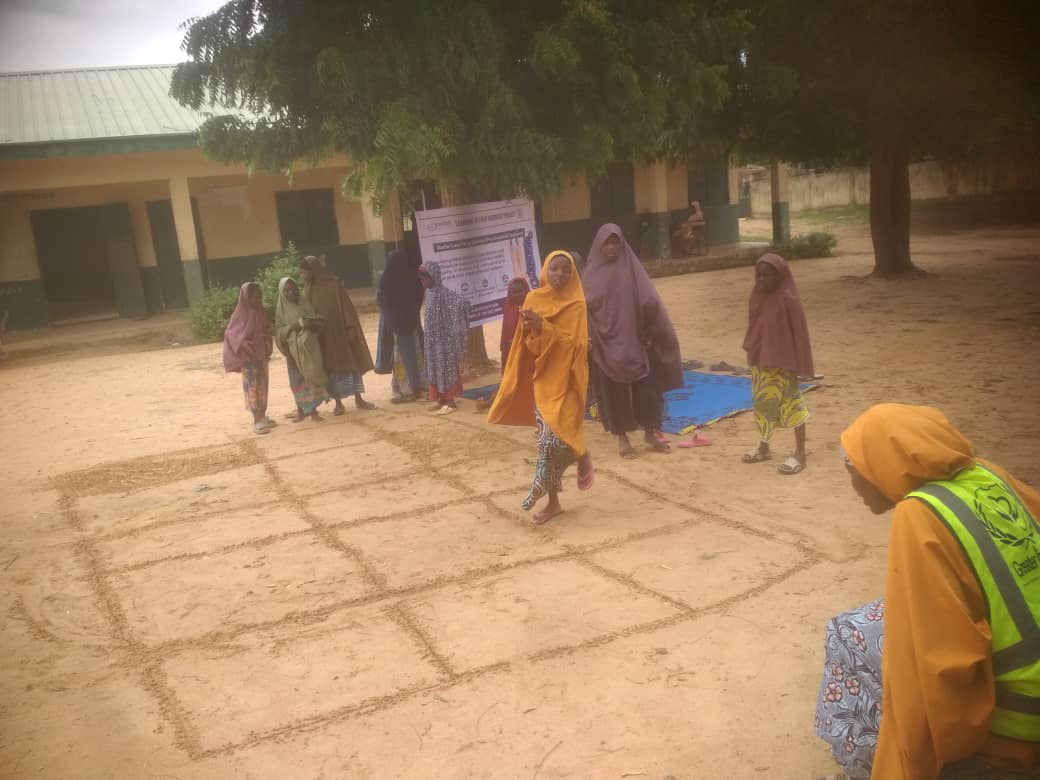
Learning through play and participation
Play-based activities help children build confidence, social connection and foundational skills in a safe, supportive learning environment.
What this work connects
- Safe learning
- Play-based learning
- Child participation
- Psychosocial support
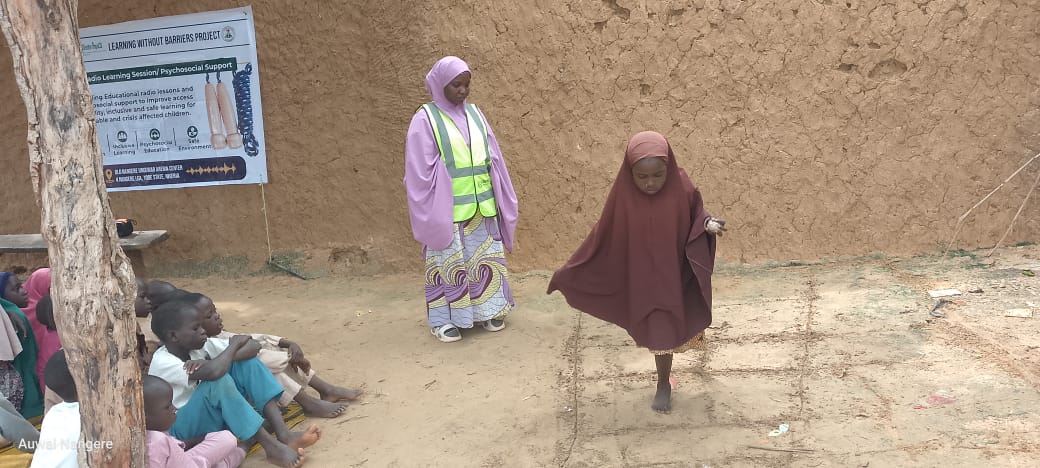
Group games that make learning engaging
Interactive games create welcoming opportunities for children affected by crisis to practise skills, collaborate and re-engage with learning.
Learning connections
- Foundational skills
- Inclusion
- Teamwork
- Re-engagement
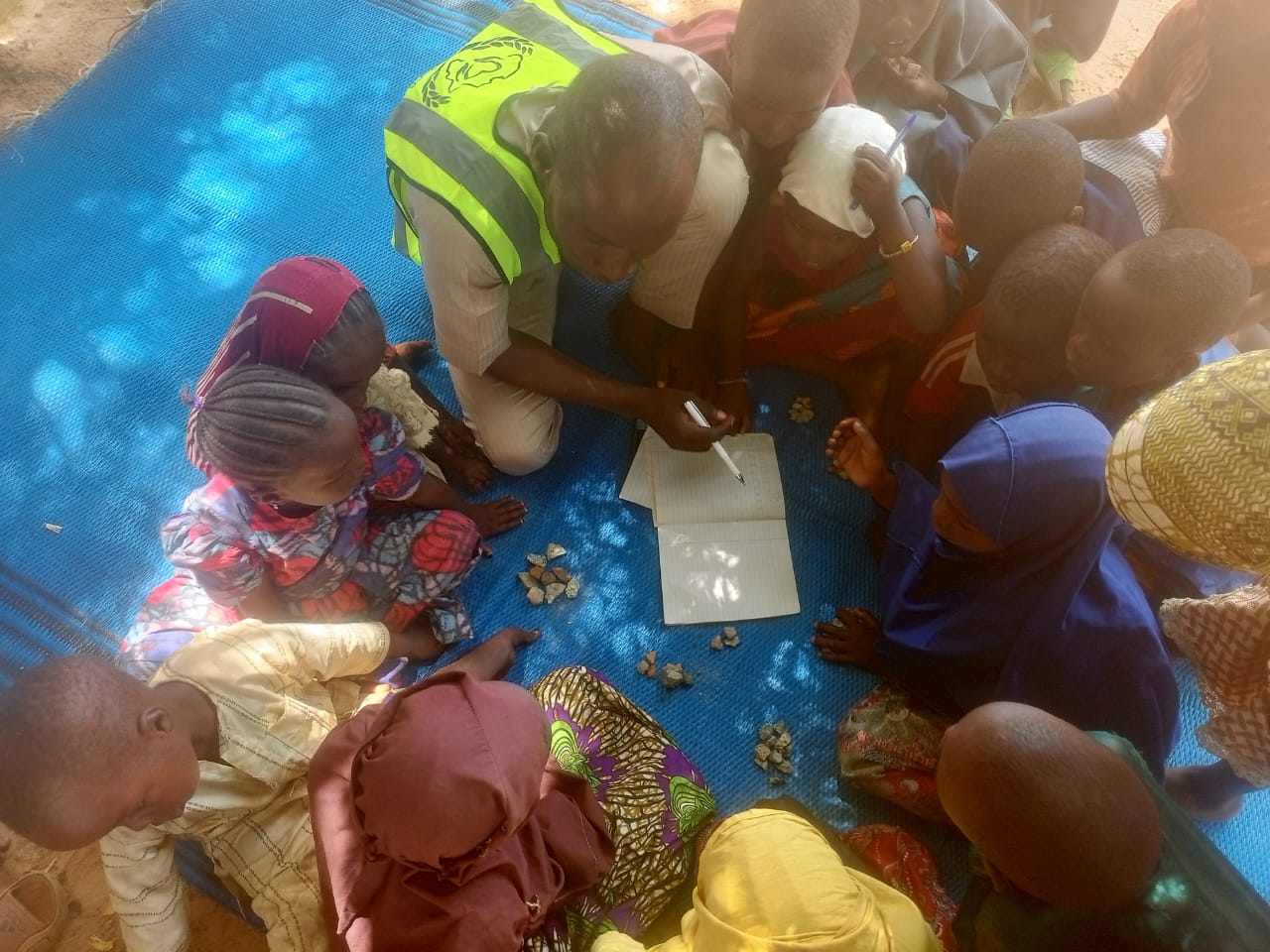
Building numeracy through practical games
Hands-on calculation games help children practise foundational numeracy in an engaging, collaborative way that supports confidence and participation.
Learning connections
- Numeracy
- Learning through play
- Confidence
- Participation

Radio learning that reaches children beyond the classroom
Community-based and radio-supported learning can extend access when displacement, distance or damaged facilities make regular attendance difficult.
Services include
- Distance learning
- Community access
- Learning continuity
- Inclusive outreach
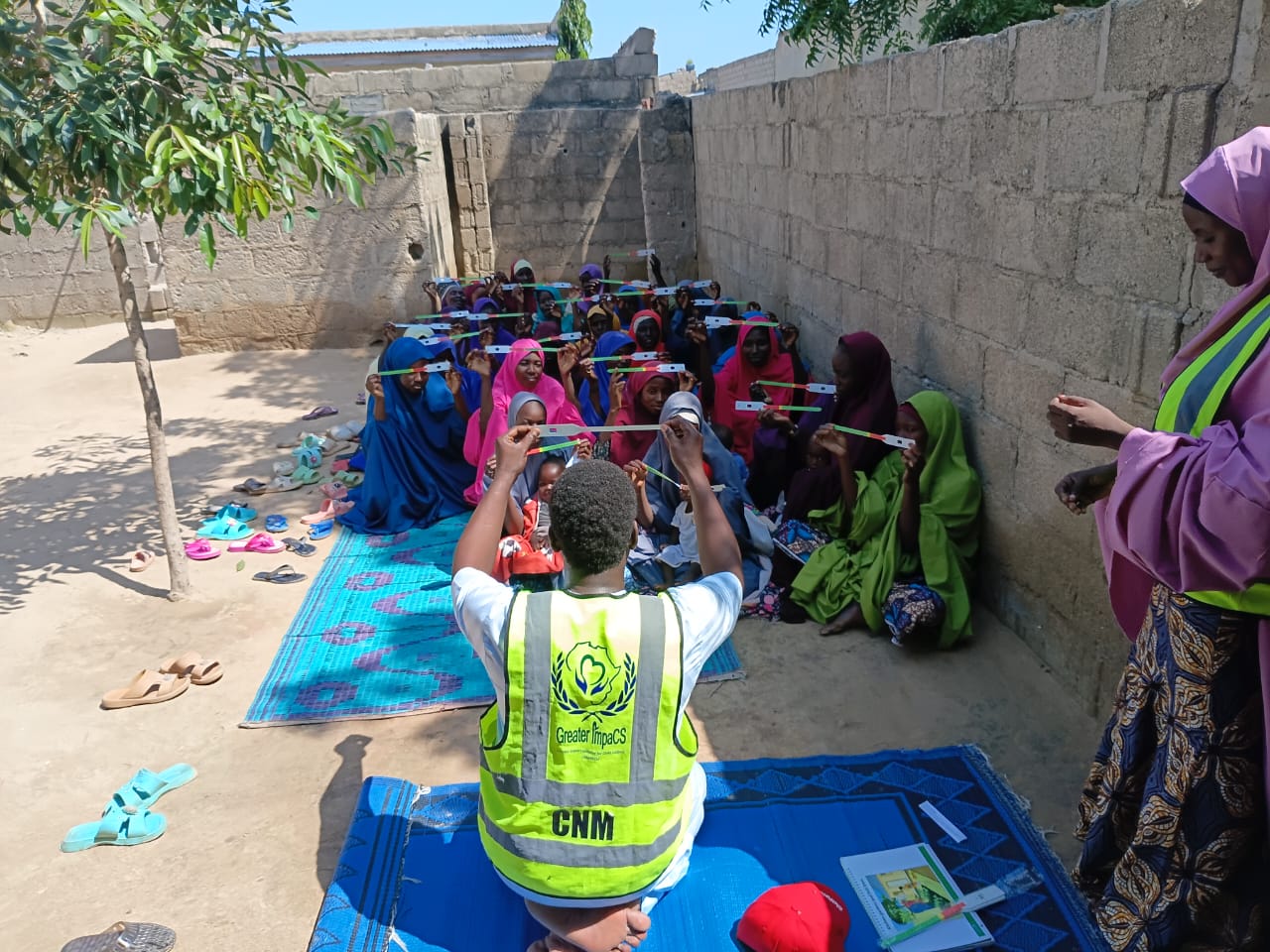
Building the confidence of community educators
Training and mentoring strengthen the people who support children and families, linking education, care and community-based learning structures.
Capacity building
- Facilitator training
- Mentoring
- Community leadership
- Child wellbeing
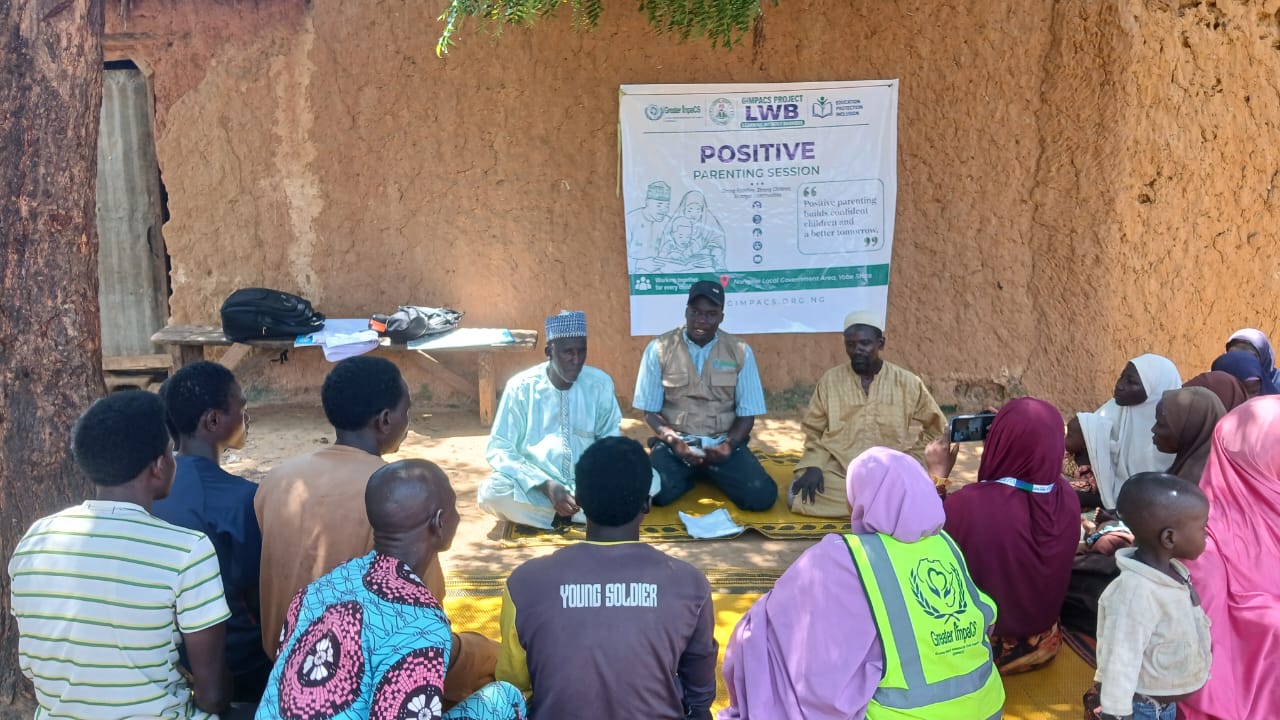
Families supporting children’s learning
Positive parenting and community conversations help caregivers create supportive routines and reduce the barriers that can lead children to drop out.
Community connections
- Positive parenting
- Caregiver support
- School engagement
- Dropout prevention
What education support can strengthen on the ground.
More children reached with learning
Children affected by displacement and crisis have safer pathways back into structured education.
Improved learning environments
Classrooms and essential facilities are repaired, equipped and supported for safe attendance.
Stronger teaching capacity
Teachers and community facilitators gain practical tools for inclusive, trauma-sensitive instruction.
Fewer barriers for vulnerable learners
Children with disabilities, girls and displaced learners receive support that responds to their needs.
Greater community ownership
Parents, school structures and local facilitators help children remain engaged in learning.
Small actions can support stronger learning futures.
When children, caregivers and educators have the support they need, learning becomes part of everyday community resilience.
Making learning engaging for children affected by crisis
Games, radio learning and supportive spaces help children reconnect with learning and build confidence.
Connecting schools, families and community facilitators
Training and positive parenting conversations strengthen the everyday relationships that help children stay safe and engaged.
Help children keep learning through crisis.
Your support can help GIMPACS expand safe, inclusive learning and strengthen the communities that support children.