Nutrition Programme
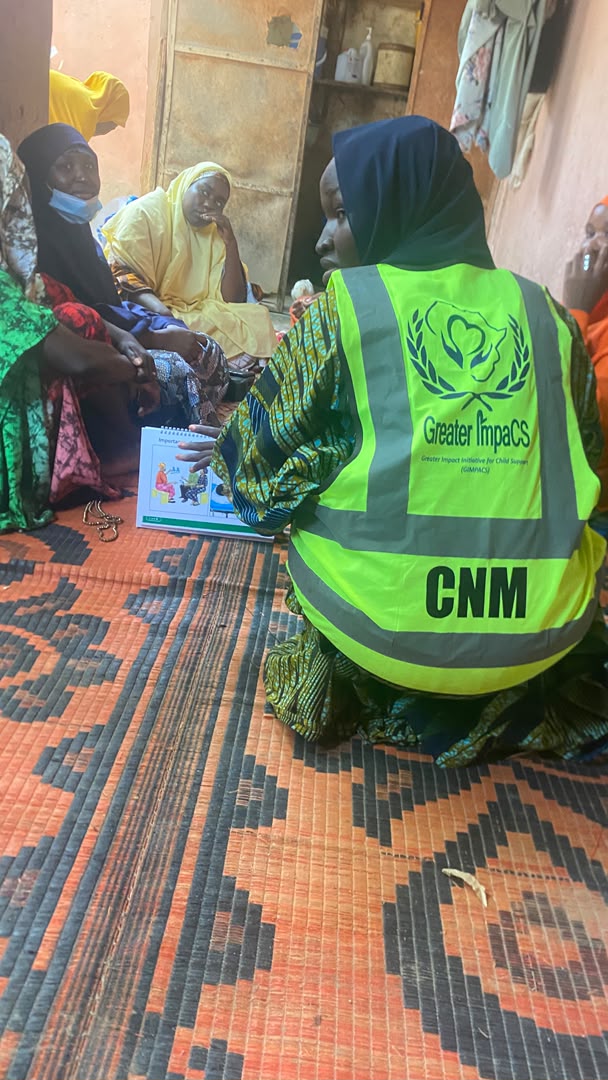
Nourishing lives, building resilient communities. We prevent and treat malnutrition among children, women and vulnerable households affected by conflict, displacement, poverty and limited access to quality health and nutrition services, combining community-based treatment, infant and young child feeding, screening, referral and resilience programming.
Good nutrition is where survival, growth and learning begin.
Good nutrition is fundamental to survival, growth, learning and overall well-being. Yet millions of children, women and vulnerable households continue to face acute malnutrition, micronutrient deficiencies and food insecurity driven by conflict, displacement, poverty and limited access to quality health and nutrition services.
The GIMPACS Nutrition Programme prevents and treats malnutrition while strengthening community resilience through integrated, evidence-based, community-centred interventions, combining Integrated Management of Acute Malnutrition (IMAM), Infant and Young Child Feeding (IYCF), nutrition screening, referrals and resilience programming to improve access to quality nutrition services.
Our strategic objectives
- 1Prevent and reduce acute and chronic malnutrition among vulnerable populations.
- 2Improve early detection and timely treatment of malnutrition.
- 3Promote optimal infant and young child feeding practices.
- 4Strengthen community-based nutrition systems and referral pathways.
- 5Improve household nutrition knowledge and healthy dietary practices.
- 6Enhance resilience of vulnerable households against nutrition-related shocks.
- 7Strengthen coordination and capacity of community and health systems for sustainable programming.
Treating malnutrition, preventing it, and building resilience against it.
Select an area, then choose a programme to read its details.
Curative NutritionFinding and treating children with acute malnutrition
Early identification, admission, treatment, monitoring and follow-up of children with acute malnutrition without medical complications, in communities and health facilities.
Preventive NutritionHealthy growth through pregnancy, infancy and early childhood
Promoting optimal maternal, infant and young child nutrition, and preventing malnutrition before it starts.
Nutrition ResilienceLong-term food security for vulnerable households
Home gardening, climate-smart food production and household dietary diversity for long-term resilience.
Read a MUAC tape like a community screener.
A MUAC tape measures the mid-upper arm of a child aged 6–59 months. The colour under the window tells a screener what to do next.
- SAM: below 11.5 cm
- MAM: 11.5–12.4 cm
- Normal: 12.5 cm and above
For learning only, not for diagnosis. These cut-offs apply to children aged 6–59 months. A child with swelling of both feet (bilateral pitting oedema) is treated as SAM whatever the MUAC reading. Pregnant and lactating women and adults use different cut-offs.
Nutrition support for those facing the greatest risk.
GIMPACS prioritises nutrition services for populations facing the greatest risks and barriers to care.
Children Under Five
Early screening, growth monitoring, IMAM services and caregiver education.
Pregnant Women
Antenatal nutrition counselling, micronutrient supplementation referrals and healthy dietary guidance.
Lactating Mothers
Breastfeeding counselling, peer support groups and maternal nutrition education.
Infants and Young Children (0–23 Months)
Exclusive breastfeeding, timely complementary feeding and responsive feeding support.
Adolescent Girls
Nutrition education, anaemia prevention and menstrual health awareness.
Persons with Disabilities
Disability-inclusive nutrition services, caregiver support and tailored referrals.
IDPs and Conflict-Affected Communities
Integrated nutrition services, community screening and resilience-building support.
Vulnerable Households
Nutrition resilience initiatives that strengthen food security and dietary diversity.
Programmes putting the strategy into practice.
Browse a project to see what it delivers.

Integrated Community Nutrition Programme
Supporting vulnerable communities with IMAM, IYCF, growth monitoring, nutrition screening and referral services through community volunteers and healthcare facilities.
Services include
- IMAM
- IYCF counselling
- Growth monitoring
- Nutrition screening
- Referral services
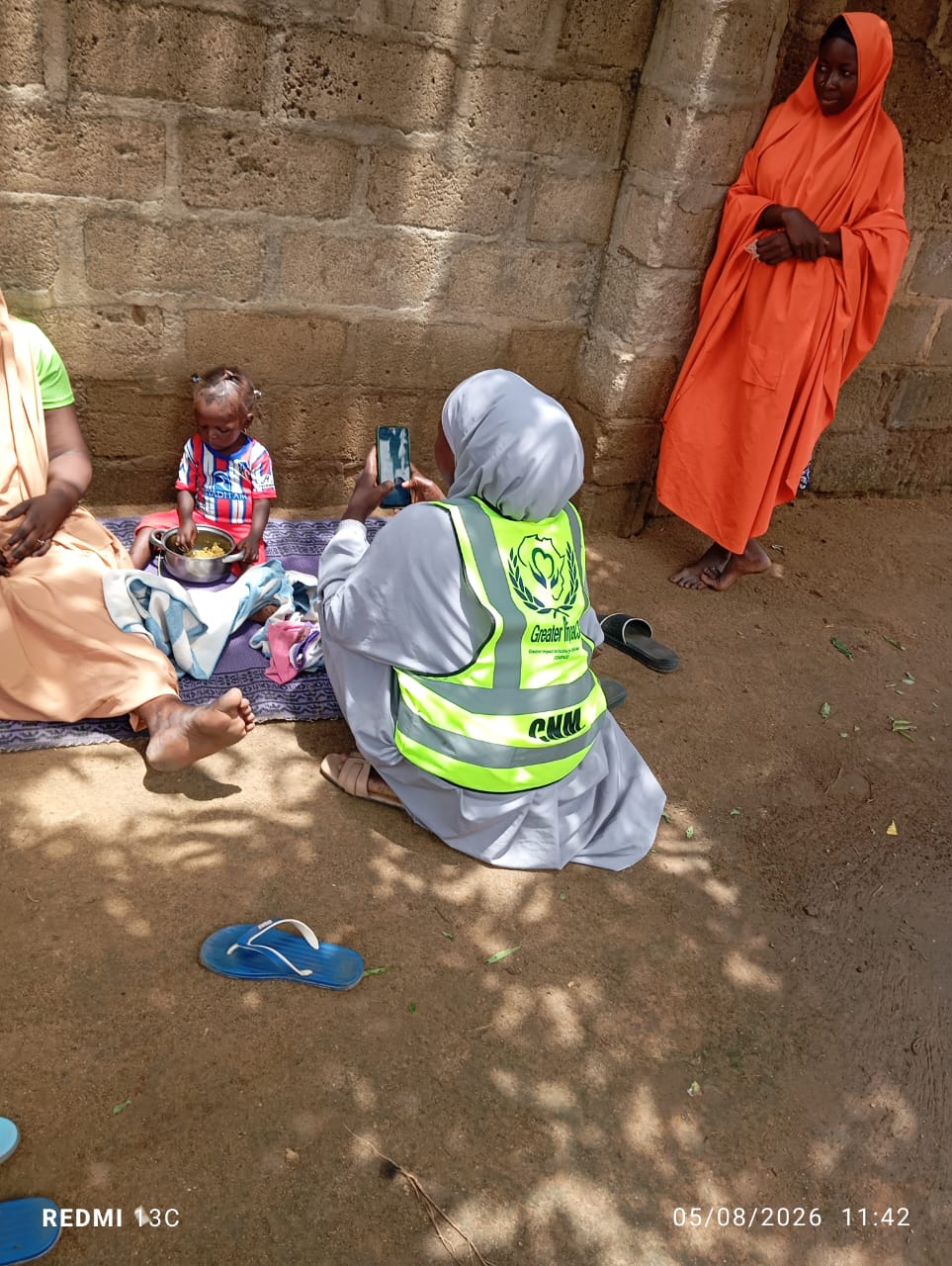
Emergency Nutrition Response
Rapid nutrition interventions during humanitarian emergencies, including MUAC screening, nutrition surveillance, referrals and community awareness.
Services include
- MUAC screening
- Nutrition surveillance
- Referrals
- Community awareness

Nutrition Resilience Initiative
Supporting vulnerable households through nutrition-sensitive livelihoods, home gardening, food production and nutrition education.
Services include
- Home gardening
- Food production
- Nutrition-sensitive livelihoods
- Nutrition education
What the programme is changing on the ground.
Increased early detection
Increased early detection of acute malnutrition through community screening.
Reduced acute malnutrition
Reduced prevalence of Severe and Moderate Acute Malnutrition.
Improved recovery rates
Improved recovery rates among malnourished children.
More exclusive breastfeeding
Increased exclusive breastfeeding among infants aged 0–6 months.
Stronger referral completion
Improved referral completion for nutrition and health services.
Greater household resilience
Increased resilience of vulnerable households to nutrition-related shocks.
Told by the communities we work with.

Restoring hope through early nutrition screening
Adam Abubakar, aged 33 months, lives in the Dala community. Before GIMPACS' outreach screening, he was severely acutely malnourished with a MUAC reading of 11.3 cm. He was identified and referred to the Bulunkutu health centre. After several follow-ups and support, he recovered and is now enrolled in our OTP programme.
Empowering mothers through IYCF
Mother-to-Mother Support Groups have helped caregivers improve breastfeeding practices, complementary feeding and child nutrition, contributing to healthier children and more confident mothers.
Building nutrition resilience
Through home gardening and nutrition education, vulnerable households have diversified their diets, improved food availability and strengthened their ability to cope with economic and climate-related shocks.
Resources on the Nutrition Programme.
No child, mother or household left behind.
At GIMPACS, we believe that good nutrition is the foundation of healthy lives, resilient communities and sustainable development. By combining lifesaving nutrition interventions with long-term resilience-building, we work to ensure that every child, mother and vulnerable household can live a healthier, more productive and dignified life. Through partnerships, innovation and community ownership, we remain committed to ending malnutrition.