Health Programme
Improving access to quality, equitable, life-saving healthcare for vulnerable and underserved populations across Borno, Adamawa and Yobe. We work with government institutions, community leaders, healthcare providers and humanitarian partners to strengthen health systems and ensure that essential health services reach people affected by conflict, displacement, disease outbreaks, climate shocks and poverty.
Preventive, curative and emergency care, delivered where people are.
Our interventions focus on preventive, curative, rehabilitative and emergency healthcare through integrated community and facility-based approaches. We prioritise early warning signals, outbreak preparedness and response, community health promotion, and integrated community case management for hard to reach communities.
Through these approaches, GIMPACS contributes to healthier, more resilient communities capable of preventing disease and responding effectively to health emergencies.
Our strategic objectives
- 1Improve equitable access to essential primary healthcare services.
- 2Strengthen disease surveillance and outbreak preparedness.
- 3Reduce preventable illnesses and deaths among vulnerable populations.
- 4Increase community awareness and adoption of healthy behaviours.
- 5Strengthen local health systems through capacity building and technical support.
- 6Promote integrated health services in humanitarian and development settings.
Three ways we deliver care, from the clinic to the doorstep.
Select an area, then choose a programme to read its details.
Primary HealthcareComprehensive, facility and community-based essential care
Supporting health facilities and communities with comprehensive primary healthcare services.
Disease Prevention and ControlReducing transmission before it starts
Implementing preventive measures that reduce disease transmission.
Emergency ResponseRapid deployment when crises hit
Responding rapidly to humanitarian emergencies.
Care for those facing the greatest risk.
GIMPACS prioritises healthcare services for populations facing the greatest health risks and barriers to care.
Children Under Five
Improving child survival through integrated healthcare, immunization, disease prevention, nutrition screening and prompt referral.
Pregnant and Lactating Women
Maternal healthcare support, antenatal and postnatal care, safe motherhood education, skilled referrals and health promotion.
Adolescents and Young People
Awareness campaigns, reproductive health education, mental health support and life-skills education.
Persons Living with Disabilities
Inclusive healthcare through improved accessibility, reduced barriers to services and disability-inclusive programming.
Older Persons
Supporting healthy ageing through routine health screening, chronic disease awareness and referral services.
Internally Displaced Persons
Emergency and routine healthcare services for displaced populations living in camps and host communities.
Host Communities
Strengthening health systems serving vulnerable host populations affected by humanitarian crises.
Conflict-Affected Communities
Delivering healthcare in fragile and hard-to-reach areas through mobile teams and community-based interventions.
Programmes putting the strategy into practice.
Browse a project to see what it delivers.
Mobile Primary Healthcare Outreach
Delivering integrated healthcare services to underserved communities through mobile medical teams.
Services include
- General consultation
- Child healthcare
- Maternal healthcare
- Nutrition screening and referral
- Health education
- Referral services
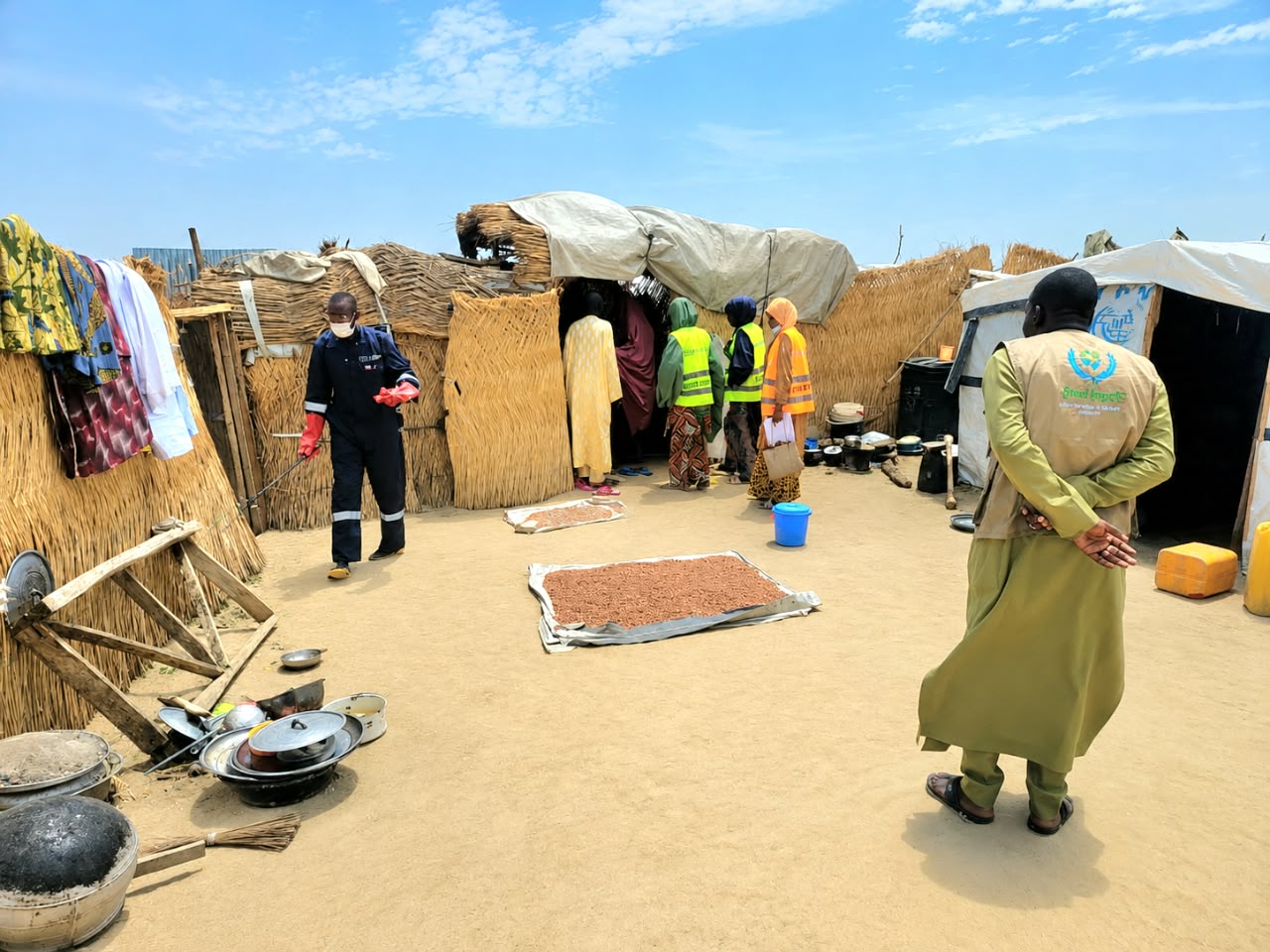
Cholera Outbreak Response
Rapid emergency response supporting communities during cholera outbreaks.
Services include
- Case Area Targeted Intervention (CATI)
- Community sensitization
- Water quality surveillance
- Hygiene promotion
- Infection prevention
- Chlorination
- Disinfection
- Risk communication
Community Disease Surveillance
Strengthening early detection and reporting of epidemic-prone diseases through trained community volunteers and health workers.
Maternal and Child Health Initiative
Supporting mothers and newborns from pregnancy through early childhood.
Services include
- ANC referral
- Safe delivery awareness
- Postnatal care
- Child growth monitoring
- Immunization support
Community Health Volunteer Programme
Building local capacity by training community volunteers.
Services include
- Health education
- Household visits
- Referral services
- Community surveillance
- Behaviour change communication
What the programme is changing on the ground.
Increased access to healthcare
Expanding services to remote and underserved communities through mobile outreach and strengthened health facilities.
Improved disease prevention
Communities show increased knowledge and adoption of preventive health practices that reduce the spread of communicable diseases.
Stronger community health systems
Community health workers and volunteers are better equipped to identify risks, provide health education and facilitate timely referrals.
Faster emergency response
Communities benefit from rapid deployment of emergency health teams during disease outbreaks and humanitarian crises.
Better maternal and child health
Pregnant women and children have improved access to care that contributes to healthier pregnancies and improved child survival.
Health system strengthening
Health workers receive ongoing technical support, mentorship and capacity development to improve quality of care.
Told by the communities we work with.
Resources on the Health Programme.
Visitors to this page can access the following resources.
Help us reach more communities.
Donors, health authorities and humanitarian partners can reach out to discuss funding, technical partnership or joint programming across Borno, Adamawa and Yobe.