Early Recovery & Livelihood
Supporting women-headed households and families with income-generating activities and vocational training to improve household stability and resilience.
Income, skills and opportunity after crisis.
The GIMPACS Early Recovery & Livelihood Programme helps crisis-affected households rebuild sustainable income after displacement, conflict or disaster. We combine market-informed vocational training, start-up support and savings-based cooperatives, with a particular focus on women-headed households and persons with disabilities.
Our work links immediate recovery to longer-term economic resilience through skills, assets, savings, agriculture and inclusive opportunity.
Our strategic objectives
- 1Strengthen household income security through market-relevant livelihood support.
- 2Build vocational and business management skills among vulnerable groups.
- 3Expand access to savings, credit and start-up capital.
- 4Promote economic inclusion of women-headed households and persons with disabilities.
- 5Support agricultural and food-security resilience alongside livelihood recovery.
- 6Strengthen linkages between humanitarian relief and long-term economic recovery.
Early Recovery & Livelihood in practice.
Select an area to read how GIMPACS connects practical services with safer, stronger communities.
Vocational Skills TrainingMarket-informed skills for durable income
Training in trades and services matched to real local demand, helping participants build sustainable income sources.
- Market assessmentTraining linked to local demand
- Practical skillsHands-on vocational learning
- Business readinessSkills to plan and manage income
- MentoringSupport after training
Start-Up Grants & Business SupportCapital, tools and mentoring for small businesses
Start-up capital, business toolkits and ongoing mentoring help participants launch and sustain small businesses.
- Start-up supportCapital and tools for viable activities
- Business planningPractical management and budgeting
- Mentoring visitsSupport to solve early challenges
- Market linkagesConnections to customers and suppliers
Savings & Loan CooperativesCommunity finance for household stability
Community-based savings and loan groups help households manage income, build assets and access credit.
- Group formationTrusted, member-led savings structures
- Savings practiceRegular saving and financial planning
- Access to creditSmall loans for household and business needs
- Member governanceSkills for transparent cooperative management
Agricultural Livelihood SupportInputs and skills for food security
Seeds, tools and farming inputs strengthen household food security and income.
- Seeds and toolsInputs selected for local conditions
- Farming skillsPractical production and care
- Home gardensHousehold-level food and income support
- Market opportunitySupport to grow and sell produce
Economic Inclusion for Vulnerable GroupsLivelihoods that include people facing barriers
Women-headed households, GBV survivors and persons with disabilities are prioritised across livelihood interventions.
- Women-headed householdsSupport for families managing alone
- Survivor-centred supportSafe links between protection and livelihoods
- Disability inclusionAdapted training and business support
- Youth opportunitySkills and entrepreneurship pathways
Support for people facing the greatest risk.
GIMPACS prioritises participation and practical support for people most affected by crisis.
Women-headed households
Economic empowerment support for women managing households alone after displacement or loss.
GBV survivors
Livelihood and asset-building support delivered through safe spaces alongside protection case management.
Persons with disabilities
Inclusive vocational training and business support adapted to individual needs.
Internally displaced persons
Livelihood recovery support for displaced families rebuilding after crisis.
Host communities
Economic support for communities absorbing displacement pressure.
Youth
Vocational and entrepreneurship training for young people seeking sustainable income.
Putting support into practice.
Explore examples of how the programme connects services, community structures and recovery.
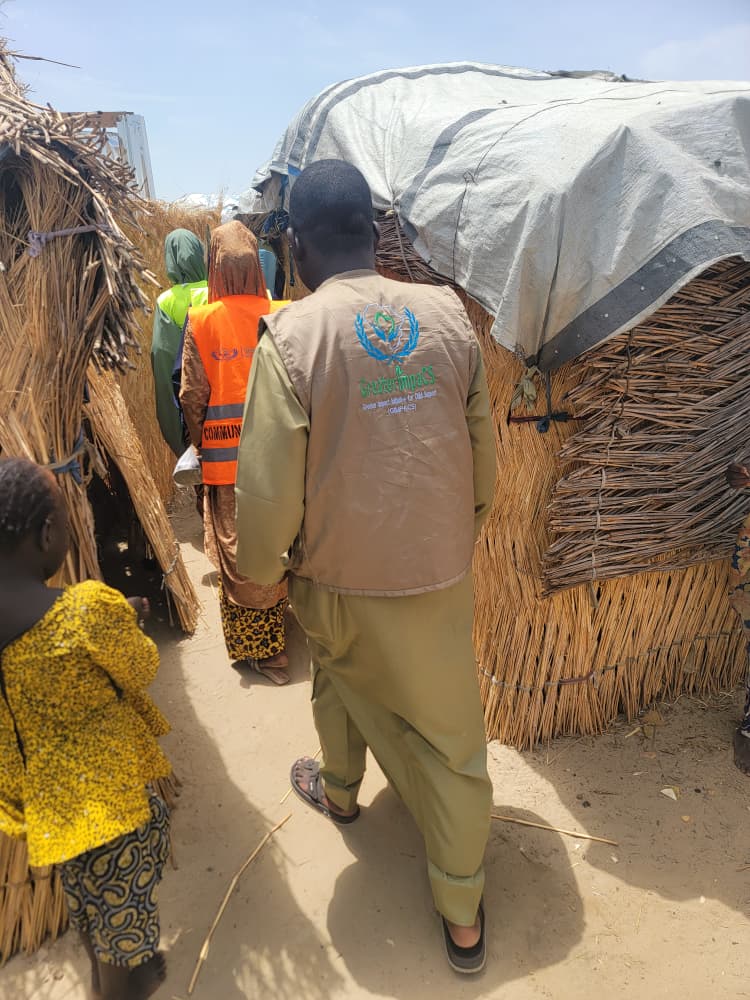
Skills matched to real local opportunity
Market-informed training helps participants build practical skills that can translate into sustainable income and greater household stability.
What this work connects
- Vocational skills
- Market assessment
- Mentoring
- Income generation
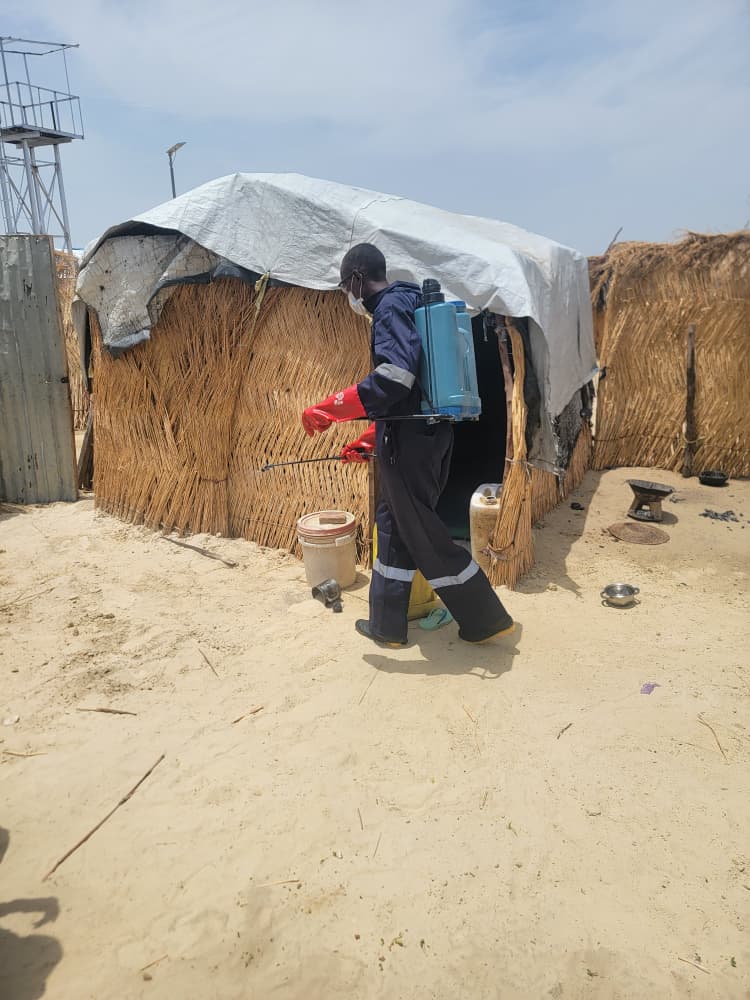
From training to a working business
Start-up grants, business toolkits and follow-up mentoring help participants move from learning into practical enterprise.
What this work connects
- Start-up grants
- Business tools
- Mentoring
- Market links
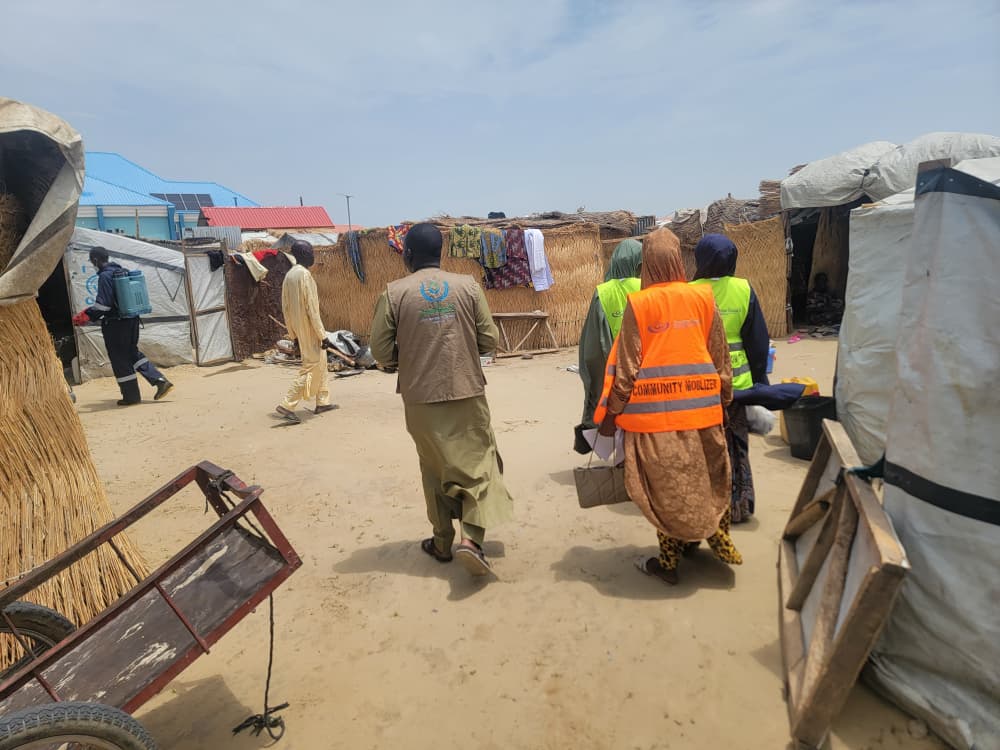
Building assets through collective saving
Savings and loan groups help households manage income, access credit and build member-led financial structures.
What this work connects
- Savings
- Credit
- Cooperatives
- Household resilience
What this work can strengthen on the ground.
Vulnerable women and children reached with livelihood and asset-building support.
Households gain practical support to rebuild stability.
IGA training delivered in tranches to reach newly identified beneficiaries.
Participants build skills linked to local opportunity.
Savings and loan groups formed and operating in target communities.
Members save, access credit and support one another.
Training matched to local business demand through assessment.
Training responds to real local market conditions.
Participants improve their ability to meet household needs and cope with shocks.
Livelihood support contributes to household resilience.
Agricultural input support helps households grow and sell produce.
Families strengthen food access and income potential.
Small actions can support stronger futures.
After training, participants can start small businesses and provide for their children with greater independence.
Rebuilding household stability
After training, participants can start small businesses and provide for their children with greater independence.
Growing together through savings
Community savings groups help members support one another and access loans for productive activities.
Skills and dignity
Livelihood training gives people practical tools to rebuild their lives on their own terms.
Resources from the programme.
Verified resources can be linked here as they become available.
Help families rebuild income and resilience
Your support can help GIMPACS deliver practical, inclusive and accountable services for communities.