Protection
Ensuring the safety and well-being of women and children by advocating against violence, exploitation and abuse, and providing legal and shelter support.
Safety, dignity and support for people facing protection risks.
The GIMPACS Protection Programme safeguards women and children from violence, exploitation and abuse. We deliver case management, safe spaces and community-based protection systems, working to ensure survivors are supported with dignity and that safeguarding and accountability remain central to everything we do.
Our work connects prevention, response, referral, community structures and accountability so people can access support when they need it.
Our strategic objectives
- 1Prevent and respond to gender-based violence through case management and referral pathways.
- 2Strengthen child protection systems within communities and camps.
- 3Provide safe spaces for women and children affected by crisis.
- 4Ensure protection mainstreaming and PSEA across all GIMPACS programmes.
- 5Build community-based protection structures for early identification and response.
- 6Support access to legal aid and shelter for survivors of abuse.
Protection in practice.
Select an area to read how GIMPACS connects practical services with safer, stronger communities.
GBV Prevention & ResponseCase management and referral for survivors
Case management, psychosocial support and referral pathways for survivors of gender-based violence.
- Survivor case managementCoordinated, confidential support and follow-up
- Psychosocial supportCare that recognises dignity, safety and choice
- Referral pathwaysLinks to health, legal and specialist services
- Community preventionDialogue and awareness that reduce risk
Child ProtectionCommunity systems for children at risk
Identifying and supporting children at risk through community-based child protection committees.
- Risk identificationCommunity-based identification of concerns
- Referral and follow-upConnecting children to appropriate support
- Committee strengtheningTraining and mentoring local structures
- Family supportWorking with caregivers and community leaders
Safe SpacesConfidential support for women and children
Dedicated safe spaces where women and children can access support services with dignity and confidentiality.
- Safe accessWelcoming spaces with privacy and respect
- Information and supportPractical information and psychosocial care
- Protection referralsLinks to health, legal and case services
- Community engagementActivities that strengthen safety and trust
PSEA & SafeguardingPrevention, accountability and complaint mechanisms
Awareness-raising and complaint mechanisms to prevent sexual exploitation and abuse across operations.
- AwarenessClear information on rights and standards
- Complaint channelsAccessible, confidential ways to raise concerns
- Staff accountabilitySafeguarding in programme delivery
- FeedbackUsing concerns to improve practice
Legal Aid & Shelter SupportConnecting survivors to practical protection
Connecting survivors with legal assistance and temporary shelter when needed.
- Legal aid referralsLinks to legal assistance providers
- Shelter coordinationTemporary safety and accommodation support
- Justice pathwaysCoordination between protection and justice actors
- Partner supportShared referral and follow-up systems
Support for people facing the greatest risk.
GIMPACS prioritises participation and practical support for people most affected by crisis.
Children at risk
Community-based identification and referral for children exposed to abuse, neglect or exploitation.
GBV survivors
Case-managed support and access to safe spaces and psychosocial care.
Unaccompanied and separated children
Family tracing and reunification support alongside interim care.
Internally displaced persons
Protection monitoring and response in camp and host-community settings.
Women and adolescent girls
Targeted safe-space programming and GBV risk mitigation.
Persons with disabilities
Protection support adapted to accessibility and inclusion needs.
Putting support into practice.
Explore examples of how the programme connects services, community structures and recovery.
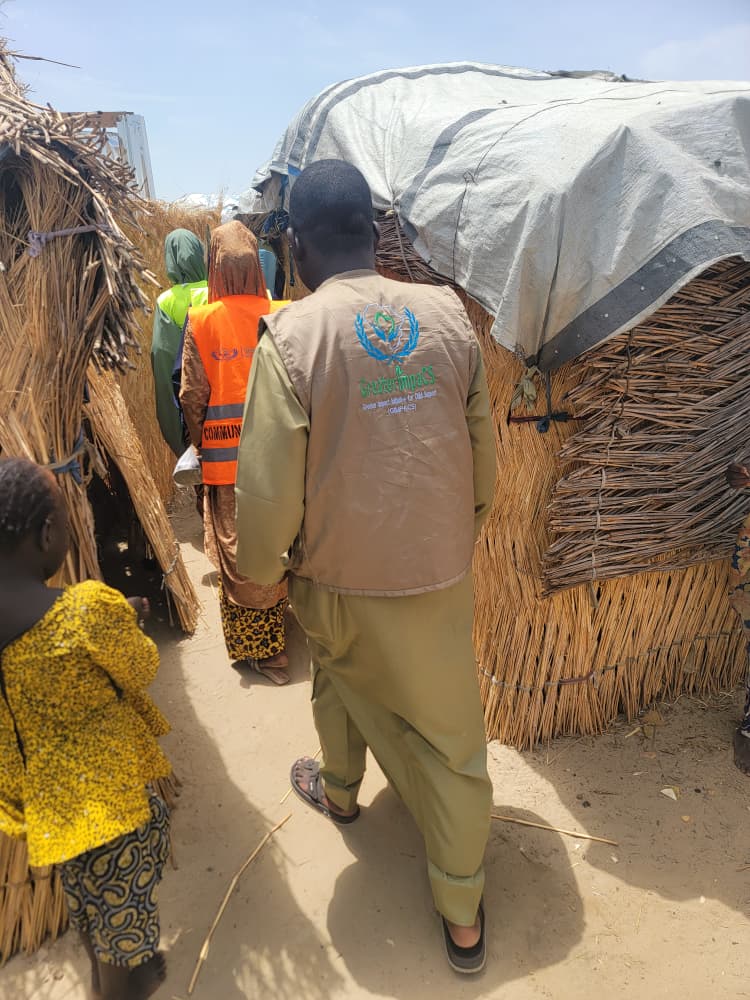
A safe pathway from disclosure to support
Protection teams identify survivors, support case management and connect people to safe spaces, psychosocial care, health and legal services.
What this work connects
- Case management
- Safe spaces
- Referral
- Psychosocial support
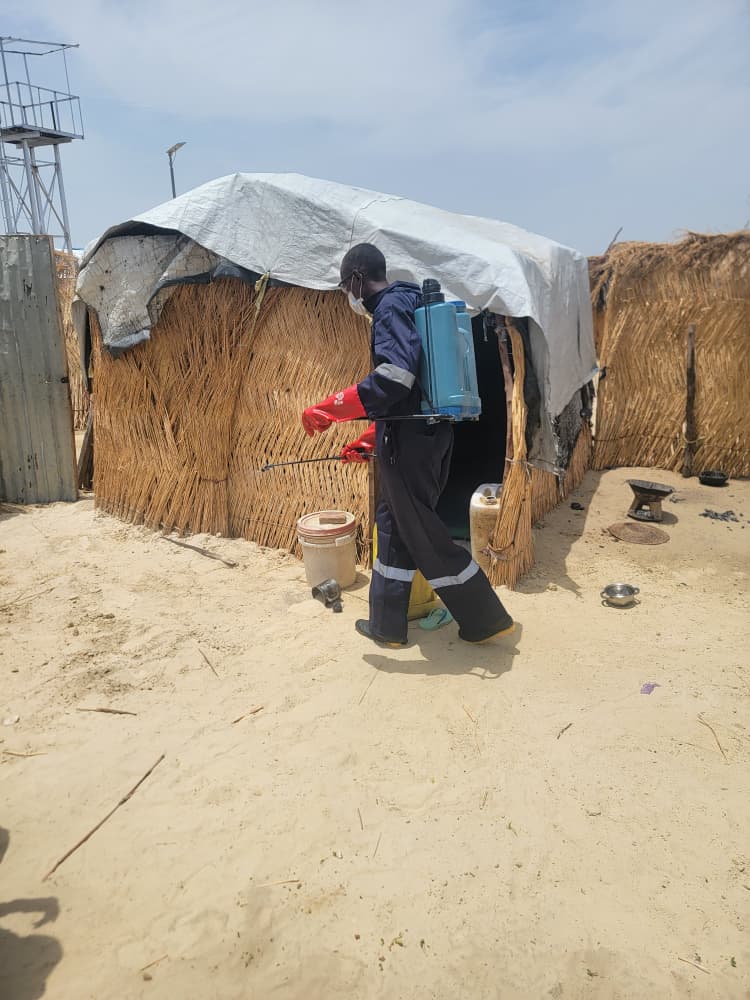
Protecting children together
Community structures are trained and supported to identify concerns, refer children and act before risks become more serious.
What this work connects
- Child protection
- Community committees
- Referral
- Early response
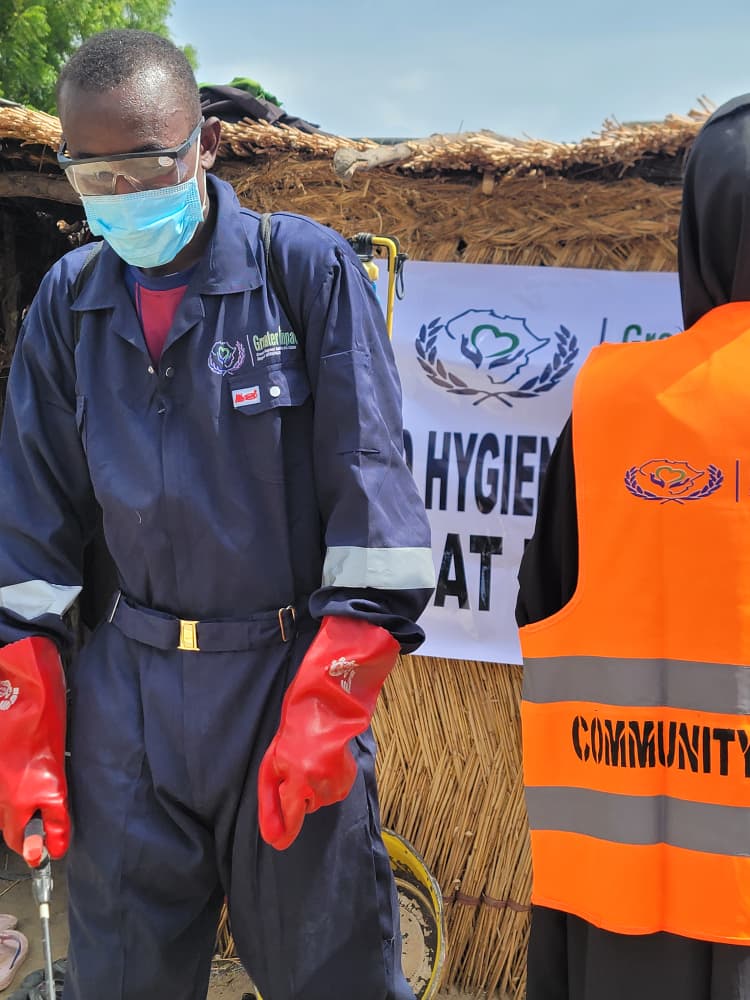
Making accountability accessible
Safeguarding awareness and confidential complaint mechanisms help communities understand their rights and know where to raise concerns.
What this work connects
- PSEA
- Safeguarding
- Accountability
- Feedback
What this work can strengthen on the ground.
GBV survivors identified and connected to case management and safe-space support.
People receive dignified, coordinated protection support.
Dedicated safe spaces providing confidential support for women and children.
Women and children can access support in privacy and safety.
Child protection committees trained and active in target communities.
Local structures help identify concerns and respond early.
Community members reached with safeguarding and complaint-mechanism information.
Communities know their rights and how to raise concerns.
Stronger links between protection, health and legal services.
Survivors can move more safely between essential services.
Small actions can support stronger futures.
When I had nowhere else to turn, the safe space gave me support, counselling and a way forward for my children and me.
A safe place to heal
When I had nowhere else to turn, the safe space gave me support, counselling and a way forward for my children and me.
Protecting children together
Community volunteers can identify children at risk and know who to call before things get worse.
Rebuilding trust
Dialogue sessions help communities talk openly about protecting children and supporting survivors.
Resources from the programme.
Verified resources can be linked here as they become available.
Help communities protect women and children
Your support can help GIMPACS deliver practical, inclusive and accountable services for communities.